
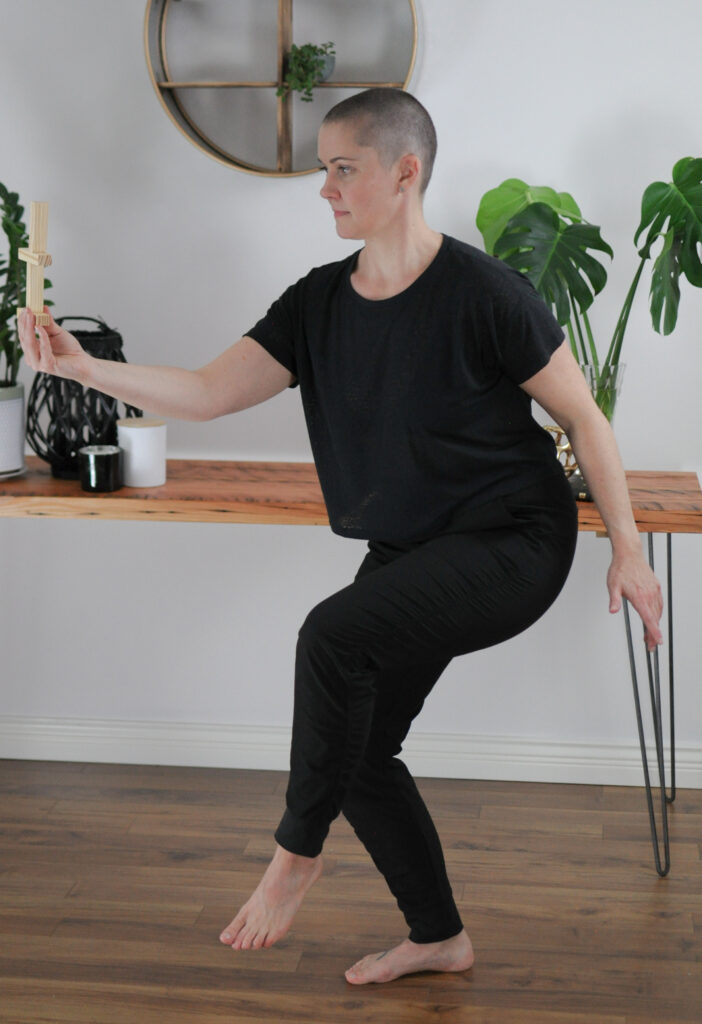
“When we are depressed, anxious, or grieving, the world shrinks and we want to withdraw.
Movement is the physical antidote to withdrawal.
It is an act of hope. Every time you choose to move, you are telling your brain that there is a future worth showing up for.”
~Kelly McGonigal
I saw this quote from Kelly McGonigal and wanted to take a moment to unpack what it means from my lens as somatic trauma therapist that loves to nerd out on the brain. (I have not read the book, but it has made it on my list of things to read.)
“When we are depressed, anxious, or grieving, the world shrinks and we want to withdraw.”
Why does our world shrink?
When we are presented with stimuli that is uncomfortable, distressing, or overwhelming a natural and understandable adaptive response is to reduce the amount of stimulus we are taking in. So, we do less, we move less, we try to feel less. We withdraw.
And, at times, this is necessary, even helpful. However, inertia and the way our brains adapt results in doing less leading to doing even less. This is because we begin to feel less activated… safer. On the surface, it’s worked. Withdrawing helped us feel better.
Underneath that however, the brain starts to wire around doing less. Our brains movement maps (think neural pathways that map out our activities) become less robust. Then, we start to feel less safe doing the things we use to do, so the cycle continues and we do less… we withdraw more. Basically, basic life can start to feel even more overwhelming.
“Movement is the physical antidote to withdrawal.”
Movement (of and variety, of any size) requires our brain to build new maps or clear away the overgrowth of ones we may have not used in awhile. Movement signals to our brains that we are safe enough to move.
The more we move, the more variety of movements we perform, the wider range of movement maps our brain holds which makes us feel more capable. Being capable means we feel safer.
In the autonomic nervous system, this is called autonomic flexibility, which means our nervous system ability to shift in and out of activation and recovery more fluidly.
Here is the key though, all in good measure.
We want to move enough to challenge our system, to create activation (which may not feel comfortable), but not so much that we overwhelm our system into a hyper state of protection. This is why trusting and listening to our own inner flow is vital. No one outside of you can tell you how to move or how it feels when you are bordering on the edge of too much. Sometimes, someone who is trained to notice cues of activation can help you notice when they are happening. A significant portion of my work is helping people reconnect with their instinct through somatic awareness.
What is helpful is an activity that you love, a dash of whimsy, and a very intentional container to move through cycles activation and recovery.
“It is an act of hope. Every time you choose to move, you are telling your brain that there is a future worth showing up for.”
Every time you move with this intention, you are sending your brain a powerful message:
I am safer. I am capable. I can meet this feeling, this challenge, this moment, and still move.
With every movement, you are building your brain’s capacity for adaptability, resilience, and possibility. You are creating new pathways that help you navigate challenges, move through uncertainty, and respond to life with greater confidence and flexibility.
And most importantly, you are building hope… not just as a feeling, but through somatic experience of discovering that change is possible. That you can grow. That you can feel more capable.
You don’t have to figure it all out on your own.
I’d love to support you in discovering what’s possible through somatic psychotherapy, movement practices, and/or dance.
Whether you’re looking for deeper, personalized support through my one-on-one sessions, or the permission to be messy, joyful, confused and dance with other humans in one of my online group dances, there is a way to begin that meets you where you are.
I hope to meet you on the dance floor. For the first time or the hundredth,
Yvette